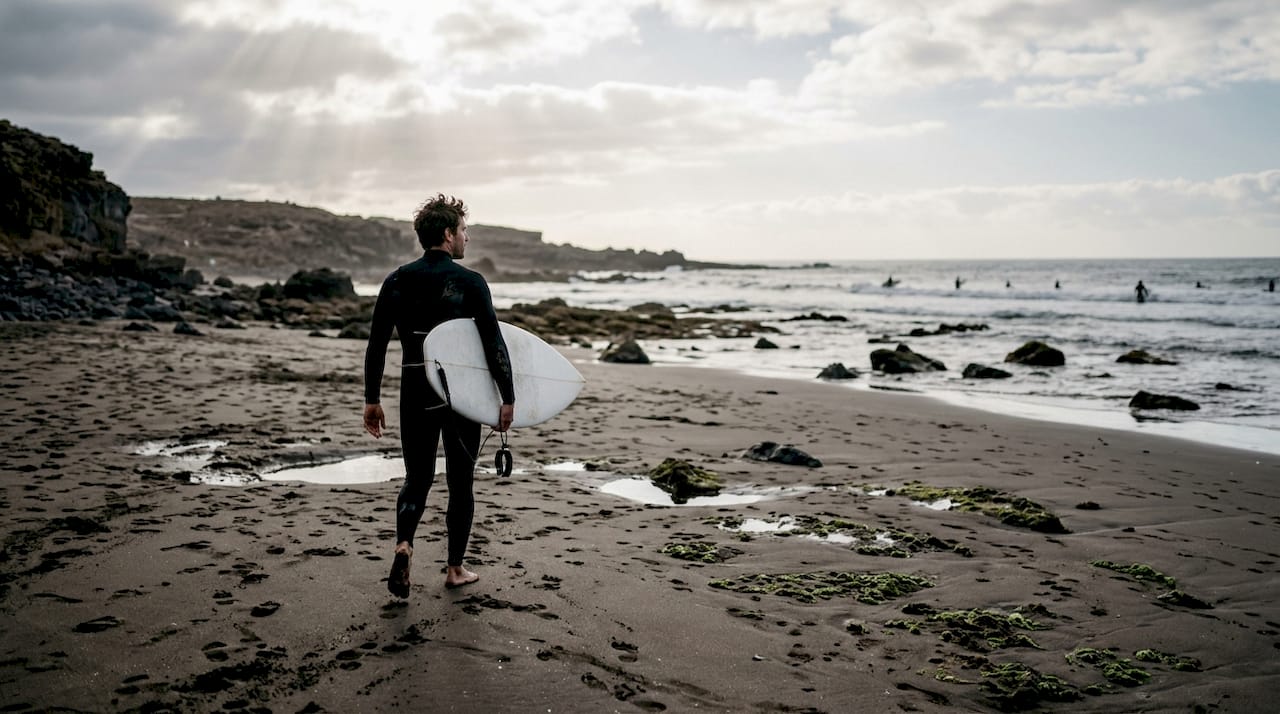
Yo, picking the right spot to catch waves in Tenerife can flip your whole trip from a basic vacation into an absolute movie. Whether you’re a total greenhorn or a certified heavy hitter in the water, this island’s got spots for everyone. But real talk, every beach got its own vibe and dangers you gotta know about. This guide is gonna hook you up with the street smarts to scope the best spots, compare the breaks, and make killer choices based on your skills, the season, and exactly what kind of waves you’re trying to shred.
The Lowdown (Table of Contents)
- Key Takeaways
- How to Pick Your Turf
- The Illest Surf Spots in Tenerife
- Street Smarts: Expert Beaches & Northern Dangers
- Spot Check: Comparing the Beaches
- Level Up with Kaizen Surf School
- FAQ (What the Streets Keep Asking)
Key Takeaways
| The Deal | The Deets |
|---|---|
| Surf Level | Your skills deadass dictate where it’s safe to roll. Don’t cap about your level or you’ll get wrecked. |
| Seasons | Conditions hit different in the North vs. the South depending on the time of year. |
| Safety & Gear | That volcanic reef ain’t playing around. Cop some neoprene booties to save your feet. |
| Scope the Scene | Roll up early and watch the water for 15 mins to peep the breaks and currents before paddling out. |
How to Pick Your Turf
Your experience level is the main thing separating a sick session from a hospital trip. Newbies need sandy bottoms and chill, steady waves, while the advanced crew is hunting for heavy, punchy sets. Keep it real with yourself about your skills—it keeps you safe and actually helps you level up faster.
The seasons change the whole game: winter brings those monster swells that the pros drool over, while summer serves up smooth, easy waves perfect for learning. You gotta check the tides and weather apps, fam. A spot can be straight fire in the morning and completely blown out by the afternoon.
Tenerife’s volcanic bottom adds a wild wildcard to the mix. Those razor-sharp rocks will slice you up bad if you bail in the shallows. That’s why proper gear—especially thick neoprene booties—is non-negotiable.
Pro Tip: Show up early and post up on the beach for 15 minutes before you jump in. Watch where the waves are breaking, how the rip currents are pulling, and where the locals are sitting. This little bit of homework saves you from looking like a fool and keeps you out of trouble.
Key things to peep before you paddle out:
- Hookups: Close parking, showers, and gear rentals.
- Wind Action: Some spots are sheltered; others get blasted by direct winds.
- Crowds: High season means a packed lineup.
- Schools: If you see surf schools, it’s a safe bet for beginners.
- Break Type: Know if you’re pulling up to a beach break, reef break, or point break.
The Illest Surf Spots in Tenerife
Tenerife is stacked with wild spots North and South, and each one has its own personality. The main heavyweights are Playa de Las Américas, El Médano, Benijo, Playa del Socorro, and Almáciga.
Playa de Las Américas down South is surf central. It’s sheltered, so the waves are consistent all year round. The bottom is a mix of sand and rock, making it safe enough for rookies but still dope for mid-level riders. It’s got all the hookups—rentals, schools, and easy access. Perfect if you’re chilling with the fam.
El Médano brings in the beginners and intermediate crew thanks to its massive sandy beach. It’s windy as hell, so you’ll see a lot of kite and windsurfers too. The waves are usually smaller, making it a zero-stress zone to practice your pop-up without worrying about gnarly currents or reefs.
Up North, Benijo is straight-up dramatic. We’re talking heavy, powerful waves strictly for the advanced Gs. You gotta hike down to get there, and there are zero facilities, but the wave quality is worth the sweat. Playa del Socorro is the middle ground—punchier than the South but not as crazy as Benijo, making it a dope spot to push your limits.
Almáciga finishes the Northern lineup. It’s a wildcard spot that changes depending on the swell. It’s isolated and beautiful, perfect for experienced riders who want that raw, uncrowded vibe. But watch your back—those side currents don’t play.
Street Smarts: Expert Beaches & Northern Dangers
Punta Blanca is the final boss of Tenerife surfing. This spot is strictly for the heavy hitters with years of experience. It mixes massive, powerful waves with a straight-up deadly volcanic reef. Best time to hit it is fall and winter when the North Atlantic pumps in massive, fast, hollow sets.
That volcanic rock does not forgive mistakes. A bad wipeout can leave you stitched up, so you need a thick suit, reinforced booties, and a heavy-duty leash. A lot of the locals even rock helmets here, deadass.
The Northern beaches are just wilder in general. The trade winds smash the coast, creating sketchy conditions that change fast. The rip currents are gnarly and will drag even a strong swimmer out to sea if you don’t know the escape routes.
“Paddling out in the North without local street smarts or a pro watching your back is just asking for it. Conditions flip fast, and what looks chill from the sand can turn deadly in minutes.”
Survival Rules for the North:
- Check the extended forecast, not just today’s weather.
- Wear booties every single time. No exceptions.
- Find landmarks on the beach so you know if the current is dragging you.
- Strap a safety whistle to your suit.
- Tell your crew where you are and when you’ll be back.
Spot Check: Comparing the Beaches
| Spot | Level | Wave Type | Best Time | Danger Level |
|---|---|---|---|---|
| Las Américas | Noob to Mid | Steady, 1-2m | All Year | Low (but crowded) |
| El Médano | Noob to Mid | Chill, 0.5-1.5m | Spring-Fall | Super Low |
| Benijo | Advanced | Heavy, 2-4m | Fall/Winter | High (currents/rocks) |
| Socorro | Mid to Adv | Mixed, 1.5-3m | Winter | Medium |
| Almáciga | Advanced | Wildcard, 2-3m | Winter | High (isolated) |
| Punta Blanca | Expert | Boss level, 3-5m+ | Fall/Winter | Extreme |
The pattern is obvious, bruh: the South is safe and hooked up with services for learning, while the North brings the hardcore waves but cranks up the danger and cuts the comforts.
Level Up with Kaizen Surf School
Now that you know what’s good, making it happen is easy if you roll with the right crew. Kaizen Surf School is the safest and dopest way to get your feet wet in Tenerife. We got ISA-certified instructors who tailor the session exactly to your vibe and skill level.
Our beginner classes go down at Playa de Las Américas, the ultimate spot to learn without getting crushed. We run group and semi-private sessions depending on your budget. You get the dry-land theory, supervised water time, and instant feedback so you can actually start catching waves.
Already rip? We got a sick stash of rental boards so you don’t gotta lug yours on the plane. You can book straight through our site, and our crew will point you to the best breaks depending on what the ocean is doing that day. Hit up our contact page and let’s get it.
FAQ (What the Streets Keep Asking)
When is the sickest time to surf Tenerife?
Winter (Nov-Mar) brings the heavy artillery, especially up North—perfect for the advanced crew wanting a challenge. Summer (Jun-Sep) is chill and steady down South, which is prime for beginners. Spring and Fall are the sweet spots in the middle with decent sizes and good weather.
Where should rookies go and why?
Playa de Las Américas is the king for beginners. The waves are forgiving, the bottom isn’t a death trap, and there are schools everywhere. El Médano is the runner-up because of its massive sandy bottom—no rocks to smash into. Both spots have all the rentals and predictable waves so you can learn without stressing.
What do I gotta watch out for in the North?
Respect the ocean up North, fam. The currents are no joke, and the volcanic reef is sharp as glass. Always wear thick booties, and think about a helmet if it’s pumping big. Never surf alone, watch the locals before you paddle out, and if you aren’t advanced, stay far away from spots like Punta Blanca.
What gear do I actually need?
A 3/2mm wetsuit handles the South most of the year, but you might want a 4/3mm for the North in winter. Booties are 100% mandatory anywhere with a rocky bottom. Get a board that matches your level (foamies for noobs, shortboards for the pros), and don’t skimp on a solid leash, or you’ll be swimming after your board in a rip current.