How to Plan a Cheap Surf Trip to Tenerife?
Indice
Tenerife has a well-deserved reputation: it is often called the “Hawaii of the Atlantic” or the island of eternal spring. And although it is sometimes associated with luxury resorts and “all-inclusive” tourism, the reality for those of us who love the ocean is very different. Tenerife is one of the most accessible and affordable destinations in Europe to catch world-class waves.
If you are planning a getaway and your budget is tight, I have good news: you don’t need to be a millionaire to surf in paradise. With a little strategic planning, knowing the local tricks, and knowing where to go, you can organize an unforgettable surf trip for much less than you imagine.
In this article, we are not just going to talk about prices; we are going to talk about value. Because a cheap trip doesn’t have to be a “low quality” trip. We are going to break down how to get around, where to sleep, and most importantly, where to find those perfect waves for your level without overspending. Pack your bags and your wax, because we are taking off.
You may be interested in
Low Season and Weather: The Secret to Saving
The golden rule for any budget trip is timing. Tenerife is climatically blessed, which means you can surf in boardshorts or a thin wetsuit (3/2 mm) for much of the year. But if you want to protect your wallet, you need to look at the calendar with a strategist’s eye.
The Golden Months: October-November and February-May
To make a cheap surf trip to Tenerife, forget about Christmas, Easter, and the months of July and August. Those are the dates when flight prices skyrocket and accommodations hang the “fully booked” sign.
The real magic happens in the shoulder seasons:
October and November: For many locals, these are the best months. The water still retains the summer heat, the wind usually gives a truce, and the first consistent swells from the North Atlantic begin to arrive.
February to May: After the European winter boom, the island calms down. Prices drop drastically, and you can still find high-quality waves before the summer flat spells arrive.
Traveling on these dates not only relieves your bank account regarding flights and stays but gives you something priceless: fewer people in the lineup. Surfing with space is a luxury that is difficult to find in the high season.
Accommodation and Transport: Smart Logistics
This is where most of the budget goes, so let’s refine our aim. Tenerife has two very distinct faces: the North and the South. Understanding this is vital for your economy.
The Accommodation Dilemma: North or South?
If your priority is absolute savings and a more authentic atmosphere, the north of the island is your ally. Areas like Bajamar or Punta del Hidalgo offer accommodation (apartments and local guesthouses) at much more competitive prices than the large tourist complexes in the south. In addition, you will be immersed in local Canarian culture.
However, the south (Playa de las Américas, Costa Adeje) has an unbeatable advantage: weather and wave consistency. If you stay in the north and a storm of wind or rain comes in, you will have to drive south.
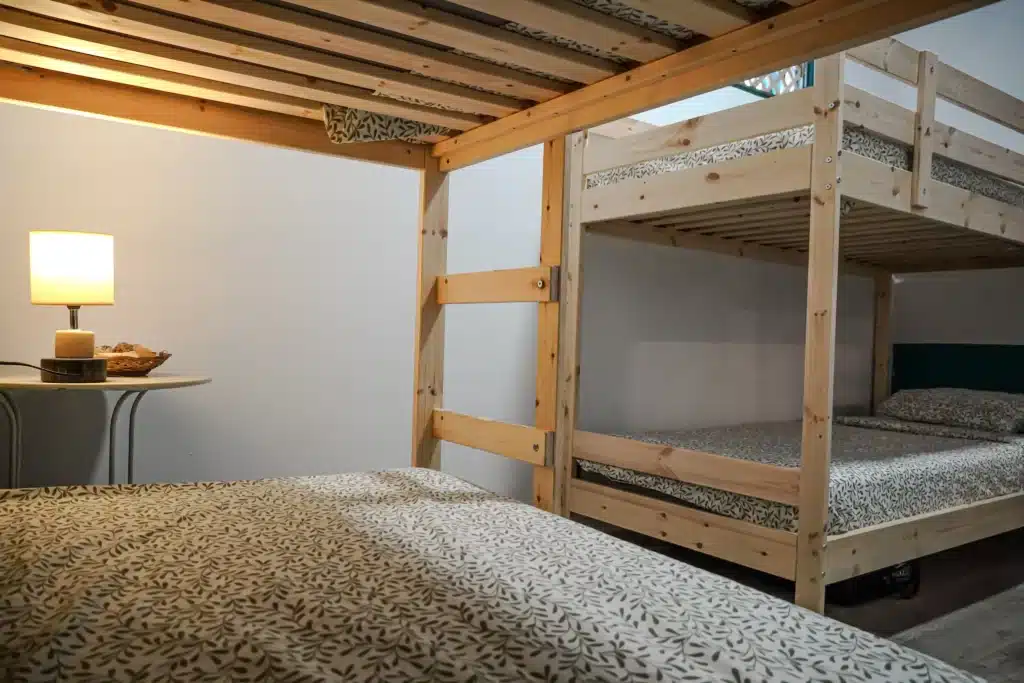
My advice: Look for tourist apartments or surfer hostels a little away from the “Golden Mile” of Las Américas. Towns like San Isidro or the upper area of Costa Adeje can be interesting intermediate options. Another very smart option to save on accommodation and transport at the same time is to look for a surf camp in Tenerife that includes both. Sometimes, when adding the cost of sleeping on one side and classes on the other, the price shoots up, while the closed packages of the camps usually offer very competitive rates per week.
Transport: Car or Bus (“Guagua”)?
In the Canary Islands, the bus is called “guagua.” If your budget is “total backpacker,” the public transport network (TITSA) works quite well and connects the main spots. There is a card (Tenmás) that makes trips much cheaper.
However, for a surf trip, the freedom of a rental car is almost mandatory. It allows you to chase the waves. If the south is flat, you can go up north in an hour. If the wind is bad at one beach, you move to the next.
Saving trick: Rent with local companies (like Cicar or Autoreisen) that usually include fully comprehensive insurance without excess and a second driver for free, avoiding final surprises on the bill. And remember, share the car with friends; splitting gas and rental between three or four turns this expense into something ridiculous.
Surfing in Tenerife: Where to Catch Waves Without Overspending
The ocean is free, but knowing how to choose the right beach will save you time, gas, and frustration. Tenerife is a volcanic island, which means many seabeds are rock (reef). This is great for wave quality but demands caution.
Beaches for Beginners: Safe Fun
If you are starting, you don’t need the most famous wave nor the most powerful one. You need a noble wave that allows you to practice standing up without danger.
Playa de Las Américas: It is the epicenter. Although there are rocky areas, there are very accessible peaks. It is the ideal place to see the surfer atmosphere, although it is usually crowded.
Los Cristianos and Fañabé: When big swells come in, these more protected beaches offer gentle waves and mostly sand or flat rock bottoms, ideal for not destroying the board (or your body).
For those starting out, trying to learn on your own on volcanic rock bottoms can be expensive (broken equipment or injuries). Therefore, even if you are looking for a cheap trip, investing in initial training is the best way to optimize your time. Looking for good surf lessons for beginners in tenerife will allow you to get to know the safe peaks hand in hand with locals, ensuring that every euro invested translates into caught waves and not fights against the current.
Beaches for Advanced Surfers: The Power of the North
If you already have experience and travel with your own board, the north of Tenerife is an amusement park.
Bajamar and Punta del Hidalgo: Here the Atlantic hits hard. They are powerful, fast, and barreling waves. There aren’t as many schools in the water, so the atmosphere is more local. Respect in the lineup is fundamental.
The Left of Las Américas (The South): If you are Goofy, this is your temple. A world-class wave that breaks over a reef. It is accessible, but the level in the water is high.
Classes and Gear: Expense or Investment?
Many travelers try to save money by renting a cheap board and jumping into the water just like that. If you already know how to surf, perfect. But if you are learning, this is usually a mistake. You end up frustrated, tired, and without having caught a single wave.
Hiring an instructor isn’t an expense; it’s an experience accelerator. In two hours with a professional, you will learn what would take you three days to figure out on your own.
Gear Rental: If you are going to surf every day, many schools offer weekly board and wetsuit rental bonuses that are much more cost-effective than renting by the hour.
Choosing a School: Don’t go to the first hut you see. Look for a reputable surf school tenerife that has certified instructors and liability insurance. The price difference between a “pirate” school and an official one is minimal (or sometimes the official one is cheaper due to its packs), and the quality of teaching and equipment is abysmal.
Other Economic Activities: Life Beyond the Lineup
It’s not all going to be soaking in the water. Tenerife offers a brutal quality of life at very reasonable prices if you get off the “tourist” circuit.
Gastronomy: The Route of the Guachinches
If you come to Tenerife and eat at a fast-food restaurant, you are committing a crime. The cheapest and most delicious way to eat is at the Guachinches. These are typical establishments, especially in the north of the island, where home-harvested wine and abundant homemade Canarian food are served at laughable prices.
Order “escaldón de gofio,” grilled cheese with mojo, “carne fiesta,” or “ropa vieja.” For 15-20 euros, you can eat like a king.
Free Activities: Wild Nature
The island is a miniature continent. When there are no waves, or your arms can’t take any more:
Teide National Park: Driving up to the base of the volcano is free and offers landscapes that look like Mars.
Natural Pools: Charco del Viento, El Caletón in Garachico, or Charco de la Laja. These are swimming areas created by lava where you can take a quiet dip for free.
Hiking in Anaga: The Anaga Rural Park is an ancient laurel forest (it looks like Jurassic Park). There are hundreds of free trails to get lost in.
Estimated Budget for a “Low Cost” Week
To give you a realistic idea, here is an approximate breakdown for a 7-day trip (prices vary by season and how far in advance you book):
Flights (from Europe): €60 – €150 (buying in advance and avoiding holidays).
Accommodation (Hostel/Shared Apartment): €150 – €250 per person.
Rental Car (shared between 2): €70 – €100 per person.
Food (Supermarket + Guachinches): €150.
Surf (Rental or a couple of classes): €80 – €150.
Total: For about €500 – €600 you can have a full week of surfing and adventure in Tenerife. Compared to destinations like France or Portugal in high season, the difference is remarkable.
Frequently Asked Questions (FAQs) about Surfing in Tenerife
What is the cheapest month to go to Tenerife?
Generally, May and November are the cheapest months. You avoid European school holidays, and the weather is still excellent. Airlines and hotels usually launch aggressive offers to fill spots on these dates.
How much does it cost to surf in the Canary Islands?
It is quite affordable. A 2-hour group lesson usually costs around €30 – €35 all-inclusive. Full-day equipment rental can be between €15 and €20. If you opt for multi-day packs, the price per session drops considerably.
Is Tenerife good for beginner surfers?
Absolutely. Although it has powerful waves, the south area (Las Américas) offers very consistent conditions and waves that, at mid-to-high tide, are noble and easy to surf. The water temperature helps a lot to make learning pleasant, as you don’t get cold.
Where to surf in Tenerife for beginners?
The best spots are Playa de Las Américas (El Medio or La Piscina), El Porís (when the south is too big), and Playa Jardín in the north (on summer days with small swell). Always look for sand or flat volcanic rock bottoms and avoid sharp reefs until you have a higher level.
Planning a cheap surf trip to Tenerife doesn’t mean giving up anything. It means choosing your dates well, immersing yourself in the local culture, and taking advantage of the incredible natural conditions that the island gives away. With a car, a board, and a desire to explore, you are guaranteed one of the best experiences of your life. See you in the water!
Articulos relacionados
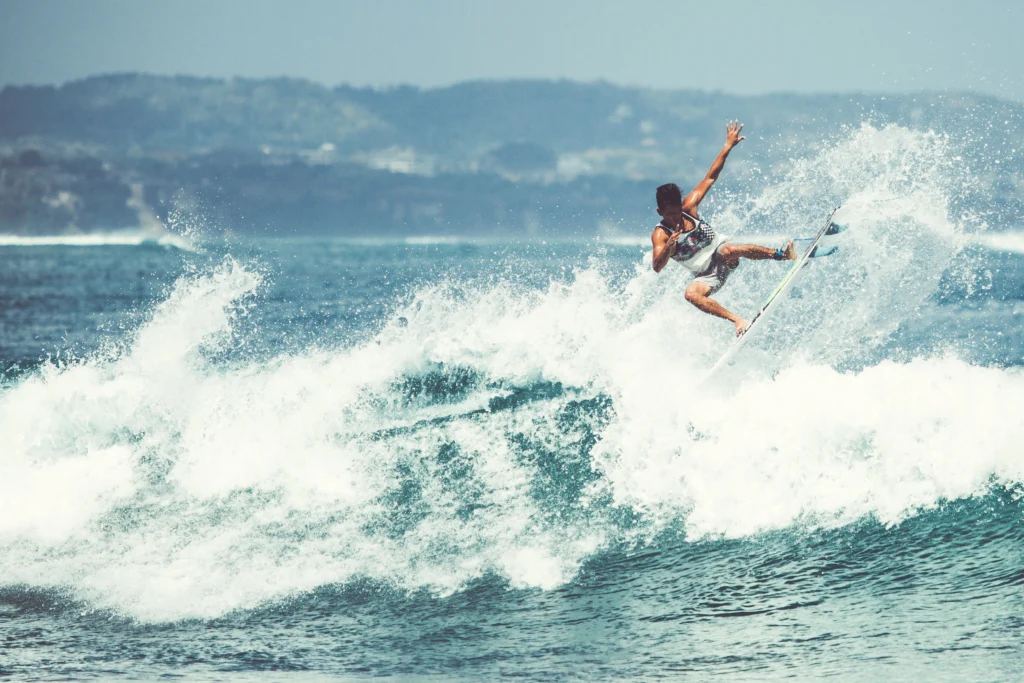
Best time of tenerife to do surf
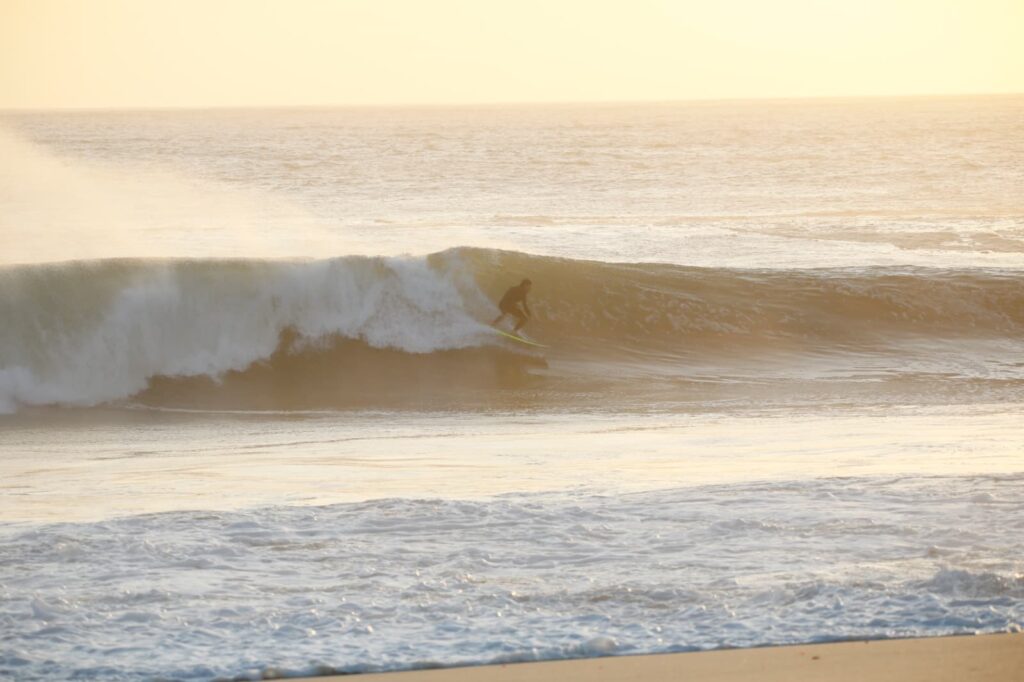
Best spots Tenerife